



Herzlich willkommen!
Sie sind eingeladen sich zu informieren,
eine eMail zu schreiben oder uns direkt in Frohnau zu besuchen!
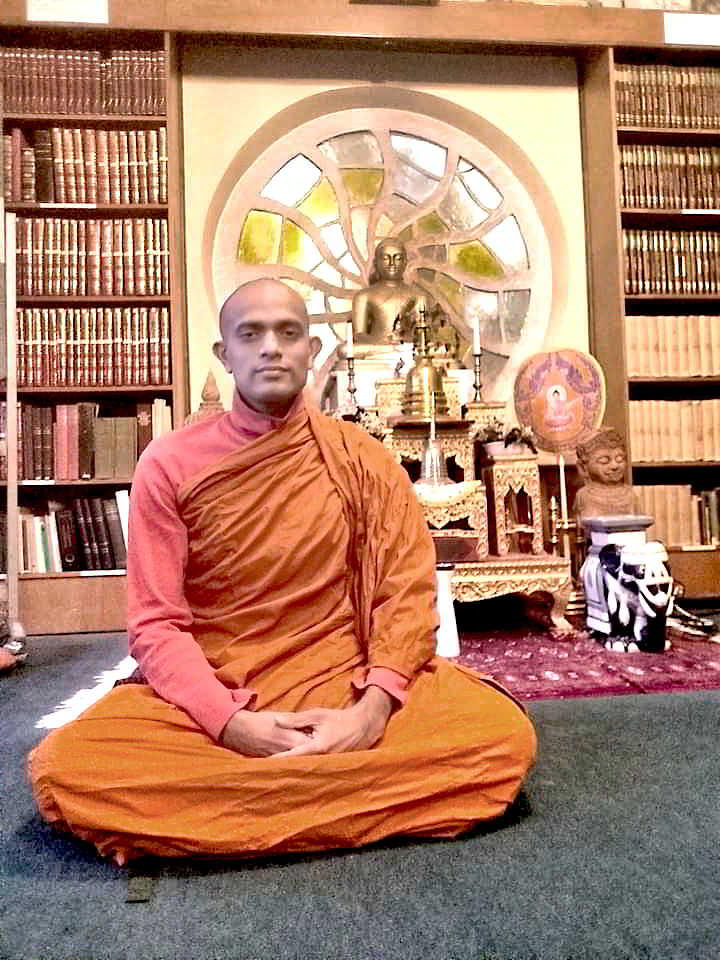
Die im Buddhistischen Haus lebenden Mönche
Dhammakusala Thero
Kusalagnana Thero
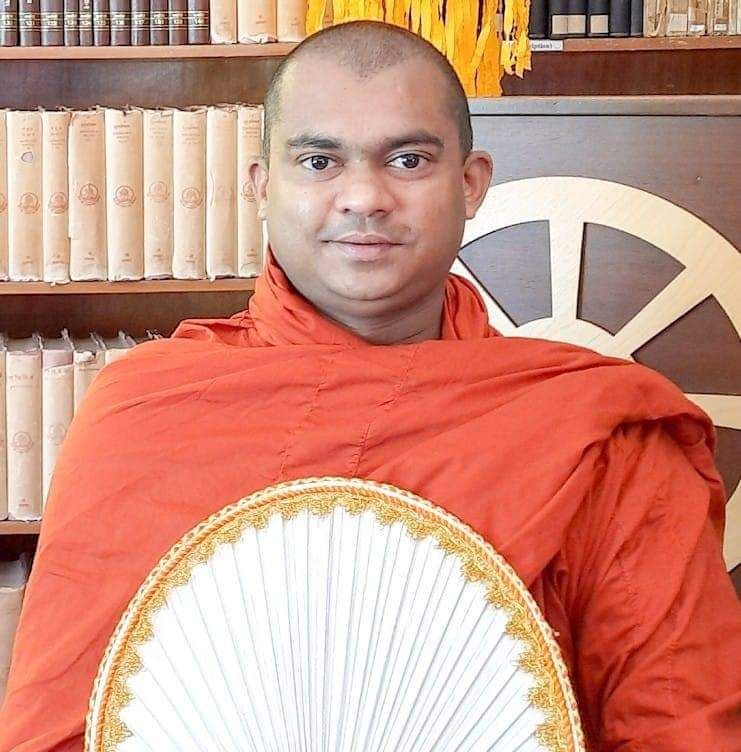
In Bibliothek & Tempel
So. 14. April 2024
siehe Festlichkeiten
Vortrag 
So. 21. April 2024
Bhante Thalpawila Kusalagnana Thero
Erfahrungen der erleuchteten Mönche und Nonnen
Vortrag
So. 28. April 2024
Rodrigo Gonzales
Die geistigen Hindernisse auflösen
So. 14.04.24
Sri Lankisches Neujahrsfest
So. 26.05.24
Vesakh-Fest
So. 23.06.24
Poson-Fest
Di. 02.07.24
Gedenkzeremonie für Asoka Weeraratna
So. 21.07.24
Vas-Zeremonie und Pirith-Chanting
So. 03.+04.08.24
100-jähriges Jubiläum Das Buddhistische Haus
So. 19.+20.10.24
Kathina-Fest
Di. 31.12.24
Neujahrs-Pirith Chanting und Meditationsprogramm mit den Mönchen
-
Tag der Achtsamkeit ~ Eintägiges Seminar mit Schweigezeiten ~ Mai '24
Tag der Achtsamkeit Eintägiges Seminar mit Schweigezeiten Sa. 11.05.2024 von 10:00 bis 16:00 Uhr ~ Ruhe, Entschleunigung und Klarheit: Einen Tag lang in die Stille eintauchen und die innere Welt mit... -
Gelassenheit und Klarblick im Alltag durch Achtsamkeit ~ 5-tägiges Schweigeseminar mit Dr. Julia Harfensteller ~ Mai '24
Gelassenheit und Klarblick im Alltag durch Achtsamkeit 5-tägiges Schweigeseminar 15.05. bis 20.05.2024Von 16:00 Uhr (Mi) bis 12:30 Uhr (So) -
Achtsamkeits- und Einsichtsmeditation (Vipassana) - 10-tägiger Vipassanakurs mit Dr. Julia Harfensteller ~ August '24
Achtsamkeits- und Einsichtsmeditation (Vipassana) 10-tägiges Schweigeseminar 15.08. bis 25.08.2024 Von 16:00 Uhr (Do) bis 12:30 Uhr (So) -
Tag der Achtsamkeit ~ Eintägiges Seminar mit Schweigezeiten ~ September '24
Tag der Achtsamkeit Eintägiges Seminar mit Schweigezeiten Sa. 21.09.2024 von 10:00 bis 16:00 Uhr ~ Ruhe, Entschleunigung und Klarheit: Einen Tag lang in die Stille eintauchen und die innere Welt mit... -
Klarbewusst und in Kontakt mit dem Herzen durch Achtsamkeit ~ 4-tägiges Schweigeseminar mit Dr. Julia Harfensteller ~ September '24
Klarbewusst und in Kontakt mit dem Herzen durch Achtsamkeit 4-tägiges Schweigeseminar 25.09. bis 29.09.2024Von 16:00 Uhr (Mi) bis 12:30 Uhr (So) -
In den Flow kommen. ~•◦✿☯~ 2-tägiger Workshop ~ Oktober '24
In den Flow kommen. Achtsamkeitsbasierte Ansätze und Techniken zur Wahrnehmung und Regulation von Gefühlen 2-tägiger Workshop Fr. 04. + Sa. 05. Oktober 2024 von 10:00 Uhr (Fr) bis 18:00 Uhr (Sa)... -
Der Vipassana-Einsichtsdialog ~ Oktober '24
Der Vipassana-Einsichtsdialog Einführung und Vertiefung in den Vipassana Einsichtsdialog: Weise Kommunikation als Erkenntnisweg Mi. 30.10. bis So. 03.11.2024 -
Tag der Achtsamkeit ~ Eintägiges Seminar mit Schweigezeiten ~ Dezember '24
Tag der Achtsamkeit Eintägiges Seminar mit Schweigezeiten Sa. 07.12.2024 von 10:00 bis 16:00 Uhr ~ Ruhe, Entschleunigung und Klarheit: Einen Tag lang in die Stille eintauchen und die innere Welt mit... -
Tag der Achtsamkeit ~ Eintägiges Seminar mit Schweigezeiten ~ Mai '24
Tag der Achtsamkeit Eintägiges Seminar mit Schweigezeiten Sa. 11.05.2024 von 10:00 bis 16:00 Uhr ~ Ruhe, Entschleunigung und Klarheit: Einen Tag lang in die Stille eintauchen und die innere Welt mit... -
Gelassenheit und Klarblick im Alltag durch Achtsamkeit ~ 5-tägiges Schweigeseminar mit Dr. Julia Harfensteller ~ Mai '24
Gelassenheit und Klarblick im Alltag durch Achtsamkeit 5-tägiges Schweigeseminar 15.05. bis 20.05.2024Von 16:00 Uhr (Mi) bis 12:30 Uhr (So) -
Achtsamkeits- und Einsichtsmeditation (Vipassana) - 10-tägiger Vipassanakurs mit Dr. Julia Harfensteller ~ August '24
Achtsamkeits- und Einsichtsmeditation (Vipassana) 10-tägiges Schweigeseminar 15.08. bis 25.08.2024 Von 16:00 Uhr (Do) bis 12:30 Uhr (So) -
Tag der Achtsamkeit ~ Eintägiges Seminar mit Schweigezeiten ~ September '24
Tag der Achtsamkeit Eintägiges Seminar mit Schweigezeiten Sa. 21.09.2024 von 10:00 bis 16:00 Uhr ~ Ruhe, Entschleunigung und Klarheit: Einen Tag lang in die Stille eintauchen und die innere Welt mit... -
Klarbewusst und in Kontakt mit dem Herzen durch Achtsamkeit ~ 4-tägiges Schweigeseminar mit Dr. Julia Harfensteller ~ September '24
Klarbewusst und in Kontakt mit dem Herzen durch Achtsamkeit 4-tägiges Schweigeseminar 25.09. bis 29.09.2024Von 16:00 Uhr (Mi) bis 12:30 Uhr (So) -
In den Flow kommen. ~•◦✿☯~ 2-tägiger Workshop ~ Oktober '24
In den Flow kommen. Achtsamkeitsbasierte Ansätze und Techniken zur Wahrnehmung und Regulation von Gefühlen 2-tägiger Workshop Fr. 04. + Sa. 05. Oktober 2024 von 10:00 Uhr (Fr) bis 18:00 Uhr (Sa)... -
Der Vipassana-Einsichtsdialog ~ Oktober '24
Der Vipassana-Einsichtsdialog Einführung und Vertiefung in den Vipassana Einsichtsdialog: Weise Kommunikation als Erkenntnisweg Mi. 30.10. bis So. 03.11.2024 -
Tag der Achtsamkeit ~ Eintägiges Seminar mit Schweigezeiten ~ Dezember '24
Tag der Achtsamkeit Eintägiges Seminar mit Schweigezeiten Sa. 07.12.2024 von 10:00 bis 16:00 Uhr ~ Ruhe, Entschleunigung und Klarheit: Einen Tag lang in die Stille eintauchen und die innere Welt mit...
Besondere Vorträge
- Audiovortrag "Nibbana without the notion of I"
von Tissa Weeraratna
- Vortrag: Was unterscheidet erwachte von gewöhnlichen
Menschen Teil 1+2 & 
von Tissa Weeraratna - Vortrag: Ethik und Freundschaft &
von Tissa Weeraratna - Ansprache zum Vesakh-Fest 2017 &
von Tissa Weeraratna
- Audiovortrag "Dhamma & Buddhism" &
von Tissa Weeraratna - Audiovortrag "Balanced Mind" 1-3 &
von Tissa Weeraratna - Ansprache zum Vesakh-Fest 2015
von Tissa Weeraratna - Ansprache zum Vesakh-Fest 2014
von Tissa Weeraratna - Die Ausbreitung des Buddhismus in Deutschland
von Senaka Weeraratna
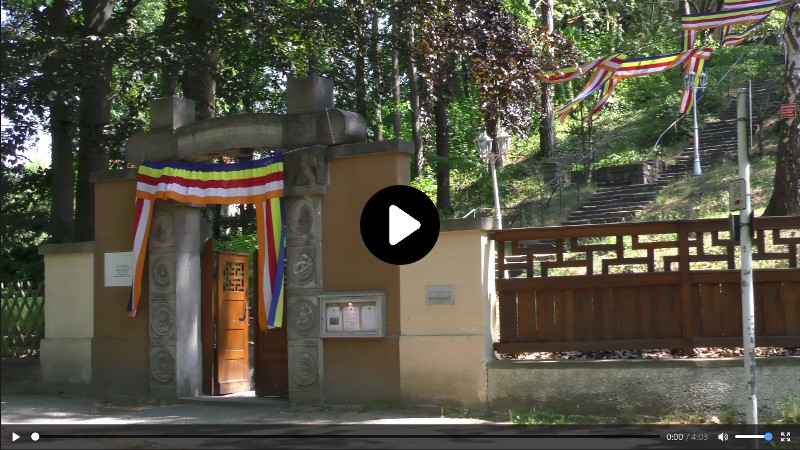
Das Buddhistische Haus - Interview
Ānāpāna-sati-bhāvana
Entfaltung der Achtsamkeit auf die Ein- und Ausatmung
von Mātara Sri Ñāṇarāma Mahāthero
_____________
Bhikkhu Patimokkha -- Das Hauptregelwerk der buddhistischen Mönche --> hier ansehen 
_____
60 Jahre German Dharmaduta Society Ein Artikel von Janaka Perera
Unser Wahlspruch im Buddhistischen Haus Was wir tun, soll jeder sehen können.
(Dr. Paul Dahlke)
Was soll man glauben? - Wie soll man sich für einen Glauben entscheiden?
Kālāma Sutta, Anguttara-Nikāya III, 65 (Vol. 1, S. 167-171 Aurum Ed.)
"Glauben Sie an nichts, nur weil Sie es gehört haben.
"Glauben Sie nicht einfach an Traditionen, weil sie von Generationen akzeptiert wurden.
"Glauben Sie an nichts, nur auf Grund der Verbreitung durch Gerüchte.
"Glauben Sie nie etwas, nur weil es in Heiligen Schriften steht.
"Glauben Sie an nichts, nur wegen der Autorität der Lehrer oder älterer Menschen.
...Aber wenn Sie selber erkennen, dass etwas heilsam ist und dass es dem Einzelnen
...und Allen zu Gute kommt und förderlich ist, dann mögen Sie es annehmen und stets danach leben."
 zum Förderverein ist ab sofort auch online verfügbar: